Naming things
Animals, nature, tools, body parts — the everyday vocabulary of Yap.
Kuus · dog Uchub · coconut Mu'uw · canoe
 Stonepaths
A few things about Yap
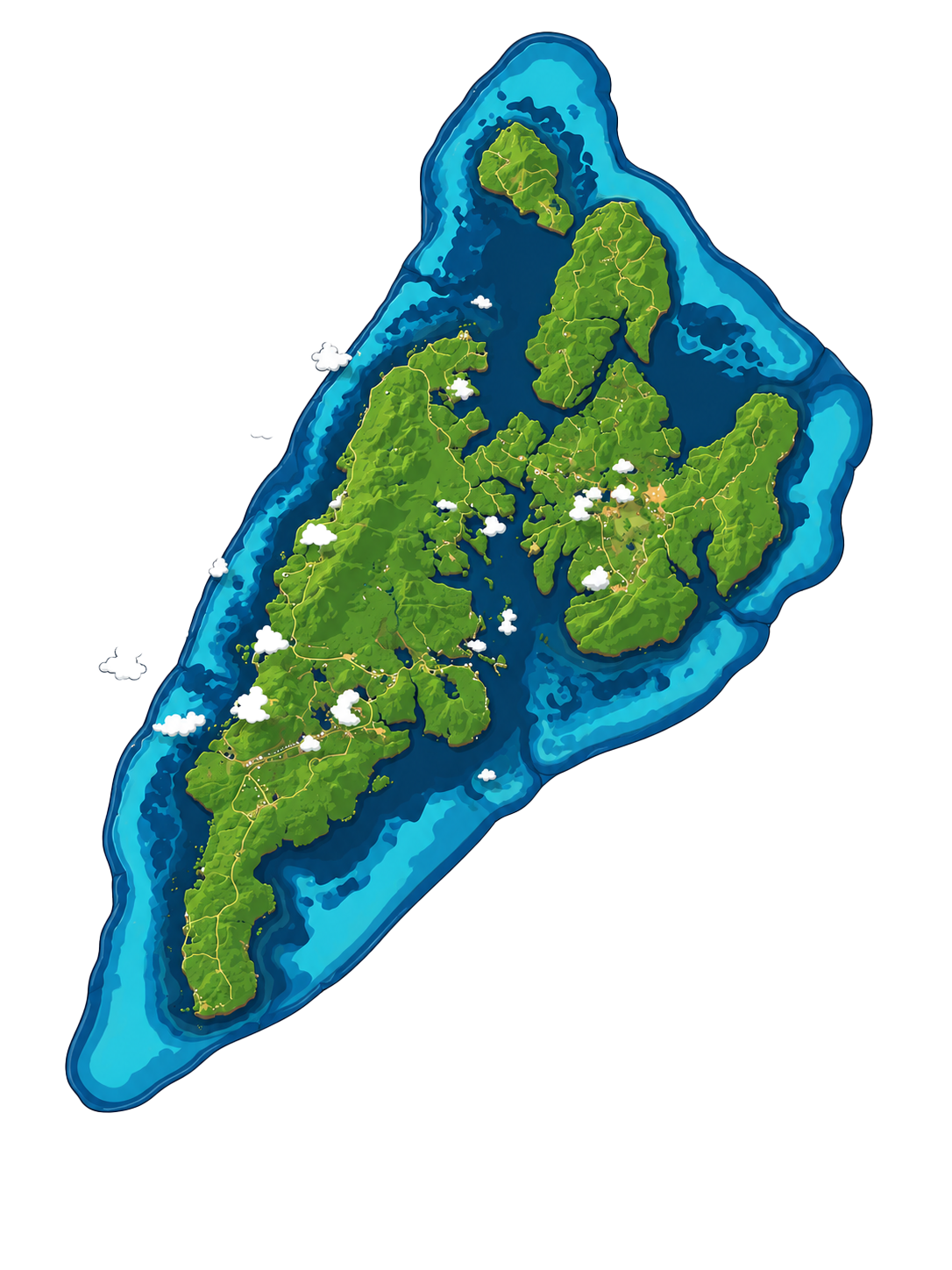
Yap is an island in the Federated States of Micronesia, divided into ten municipalities — Dalipebinaw, Fanif, Gagil, Gilman, Kanifay, Maap, Rull, Rumung, Tamil, and Weloy. Together with eleven outer-island municipalities, they form Yap State. Around eleven thousand people live across the state, the Yapese language is spoken by only a few thousand, and the culture has carried its own ideas of wealth, navigation, and kinship for centuries.
The language itself is unusual: an Austronesian outlier with glottalized sounds you won't hear anywhere else in the Pacific, still passed on as a first language inside Yapese homes and schools.
Yapese Pictionary starts from that place: small picture puzzles that help players remember real words, native pronunciation, and the everyday objects those words belong to.
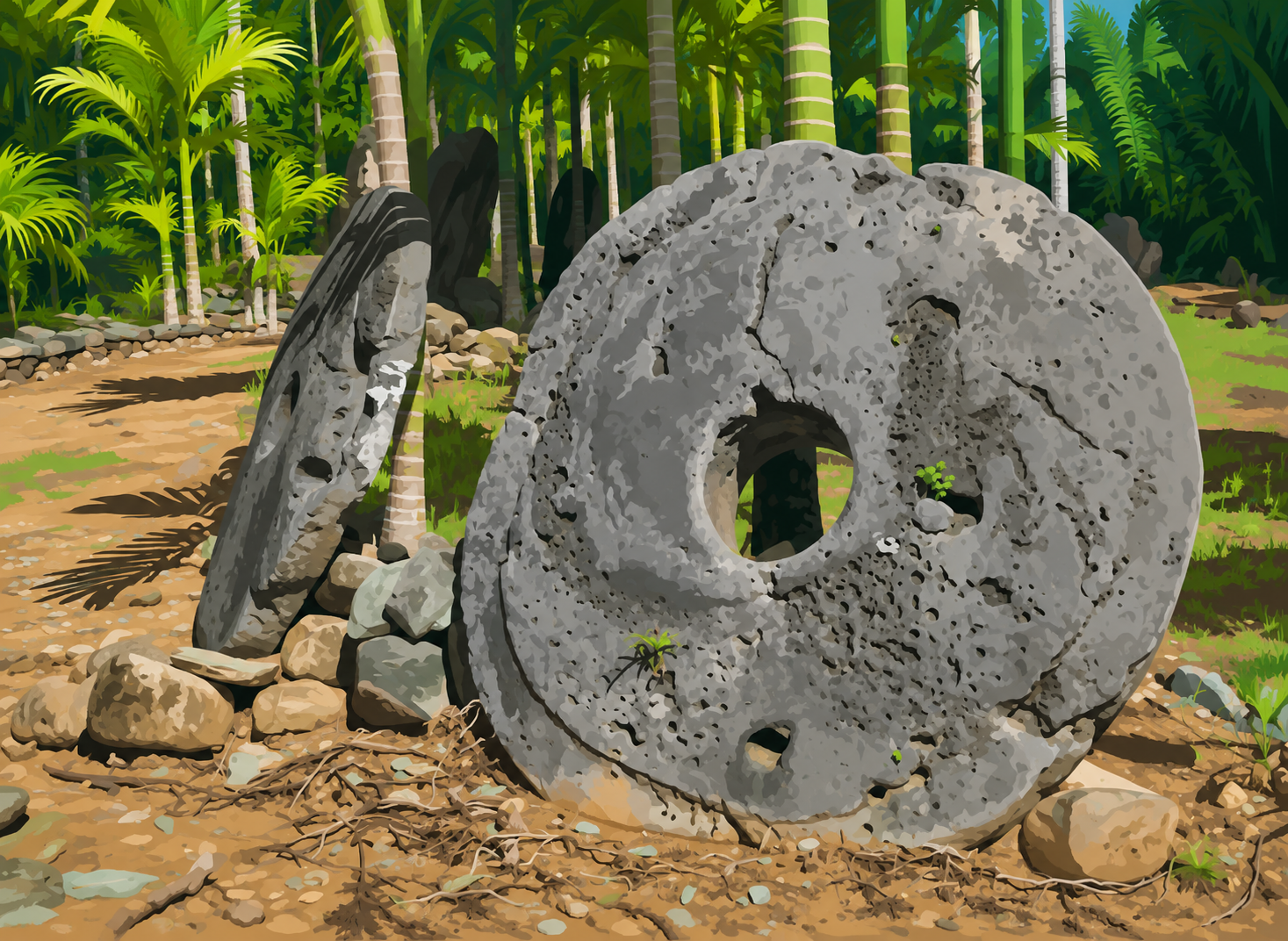
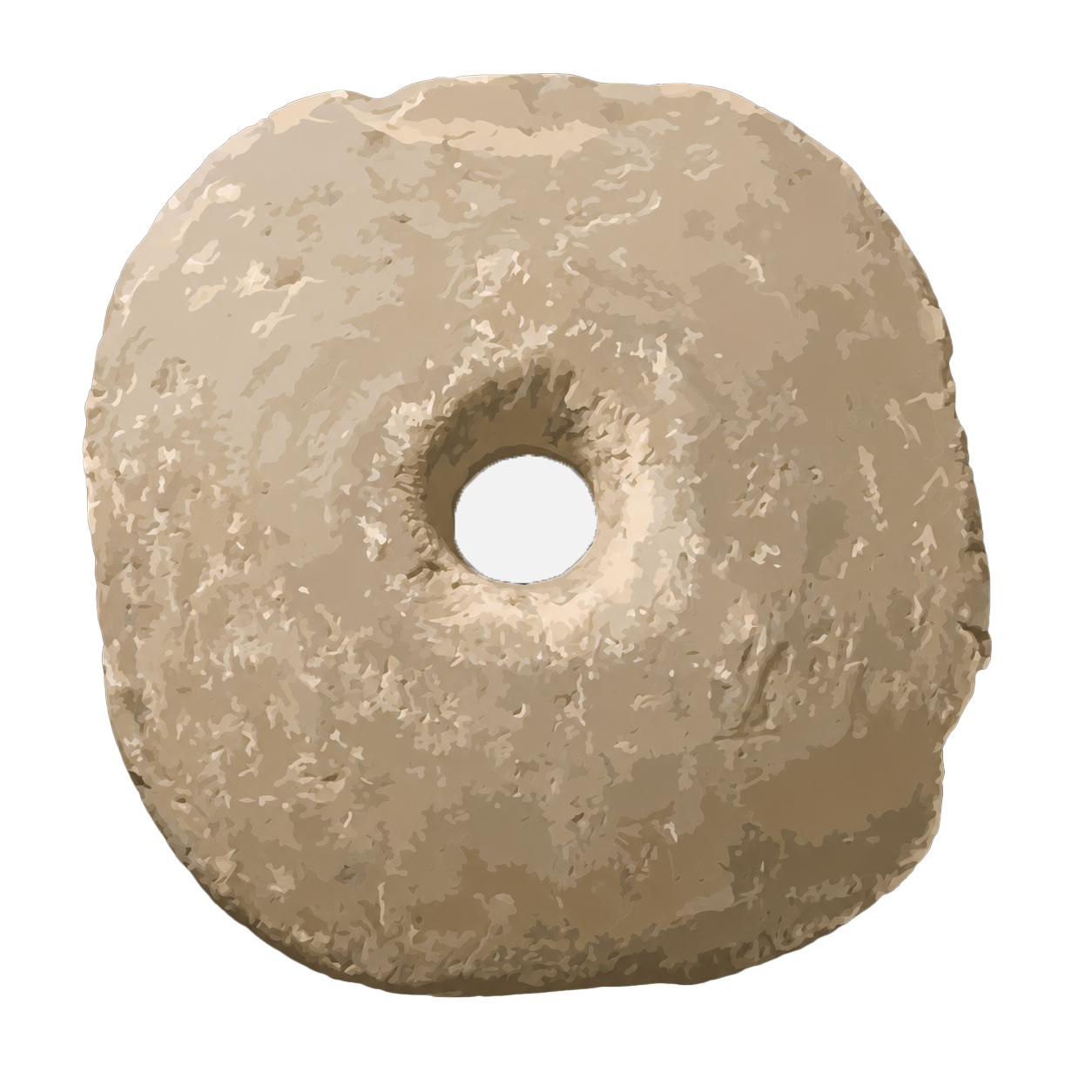
Yap is famous for rai — limestone discs quarried in Palau, 250 miles south, and ferried home by canoe. The largest stand twelve feet across and weigh four tons; they stay put, and ownership simply changes by spoken agreement.
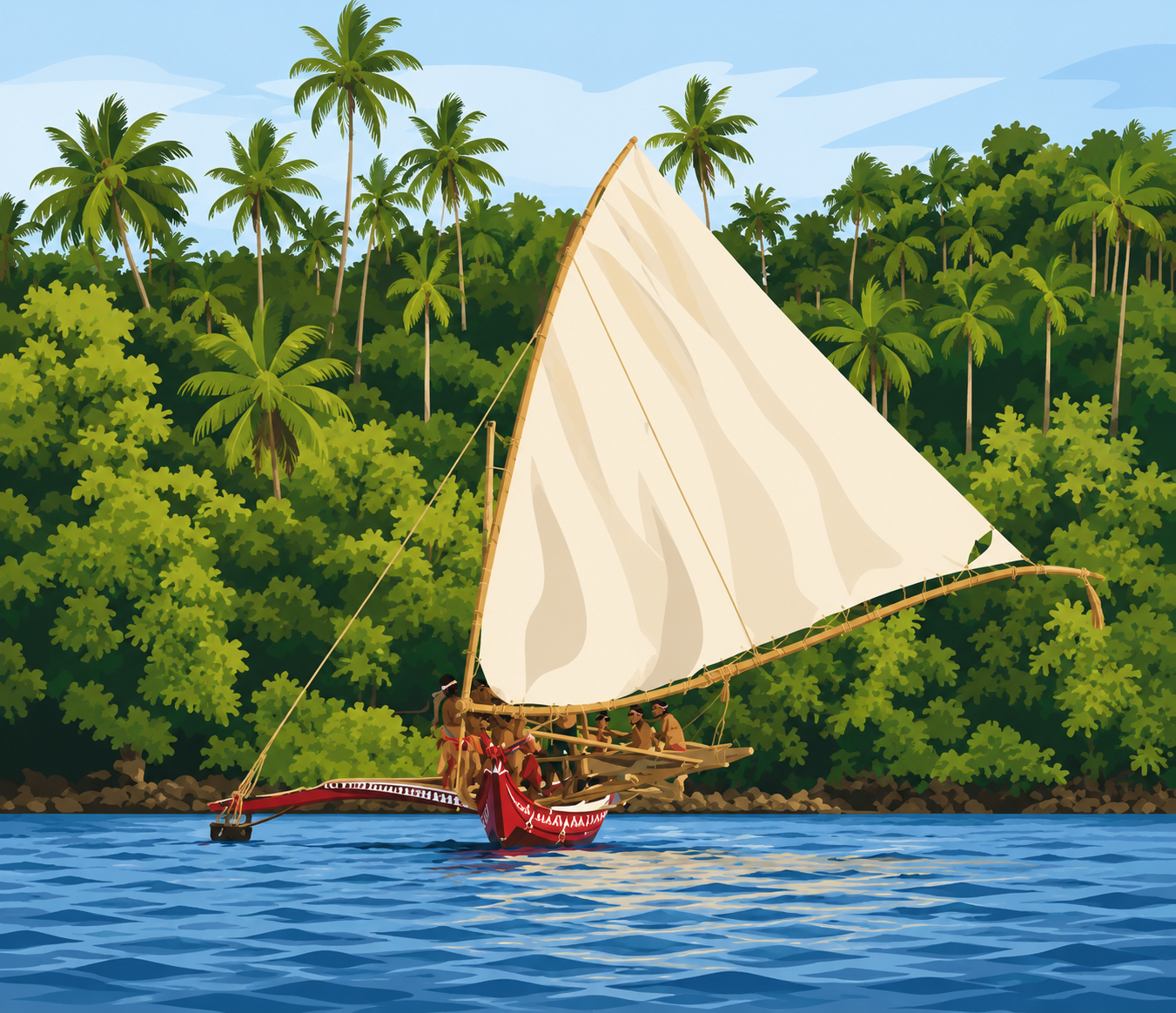
Outrigger canoes and traditional wayfinding — reading stars, swells, and birds — are still taught in Yap. The sea is not a border here; it's a road.
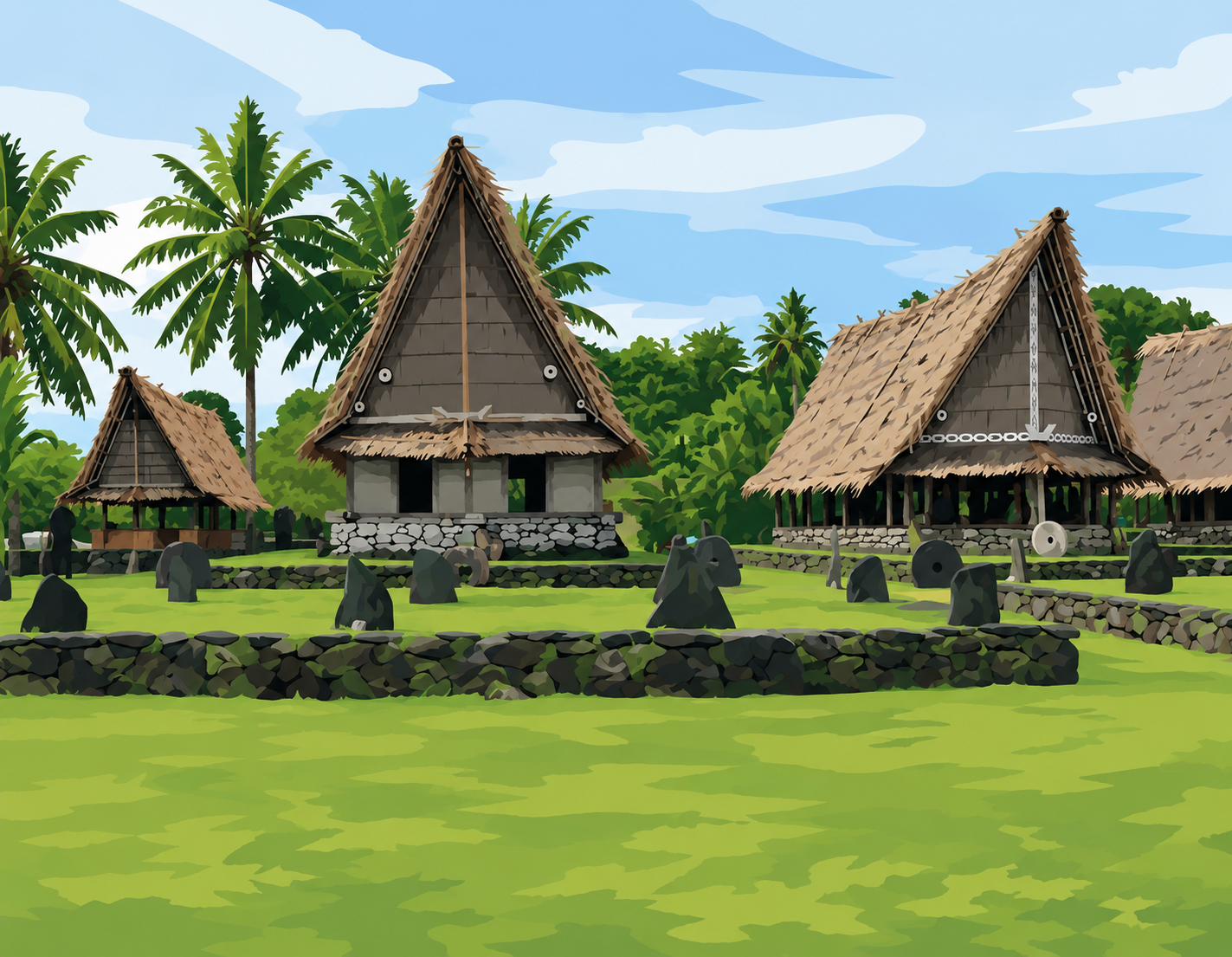
Village life in Yap centered on community, tradition, respect, and cooperation. Chiefs, nobles, commoners, and lower classes each held roles tied to land, military success, and village status.
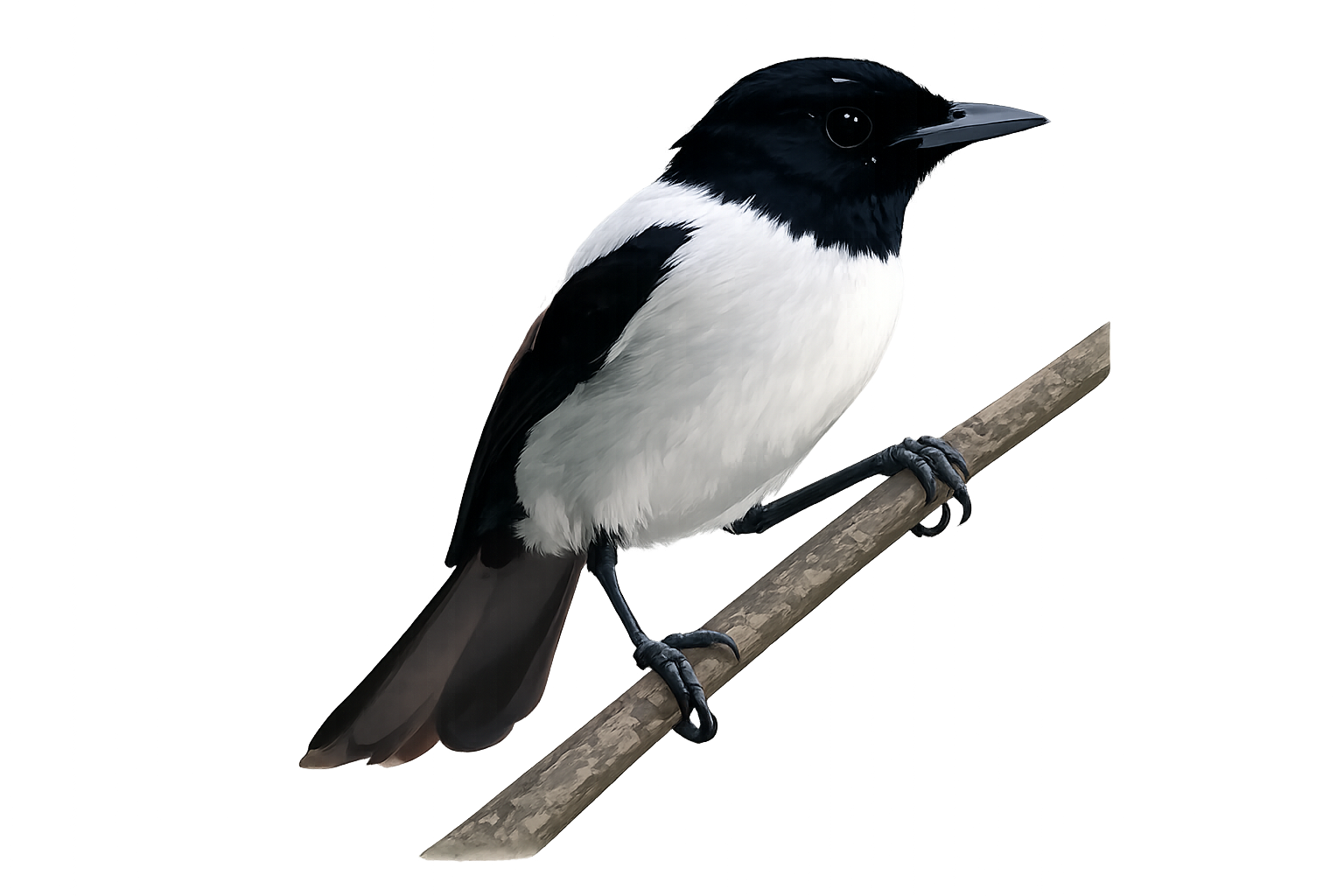
Yap has its own endemic species — the Yap Monarch and Yap Olive White-eye live only on these islands. Even the wildlife is specific to the place the language describes.
Stonepaths · A Yapese language game
See an everyday image from Yap. Tap the letters. Hear how the word sounds from a native speaker. Yapese Pictionary turns the language into something you can play with — in spare minutes, anywhere.
A short, focused loop you can pick up in a minute and put down without losing your place.
Every level starts with a photograph — a coconut, a canoe, a taro patch — so the word lives next to the thing it names.
Scrambled letter tiles slide into answer slots. Wrong taps clear cleanly; right taps lock in. Hints are there if you want them.
Each Yapese word plays in a native speaker's voice, so you learn how it sounds — not just how it looks on the page.
168 words across four stages — moving from things you can point at, to feelings, to the harder ideas that carry Yapese culture.
Animals, nature, tools, body parts — the everyday vocabulary of Yap.
Kuus · dog Uchub · coconut Mu'uw · canoe
Feelings, states, and qualities — the words that color a sentence.
Fal'felan · happiness Balel · thirst
Verbs and everyday activities — fishing, waking, fixing, paddling.
Odd · waking up Falagin · fixing
Harder ideas — values, customs, and the words that hold meaning in Yap.
Ceremony, kinship, exchange, respect.
Reviewed with Yapese speakers
Every word in Yapese Pictionary is checked with Yapese speakers and paired with context from daily life: why a pig matters at a mit-mit, how a canoe is built, how land, weather, food, and family show up in ordinary words.
Stonepaths starts here with a game that is quick to play, but careful about the language it carries.
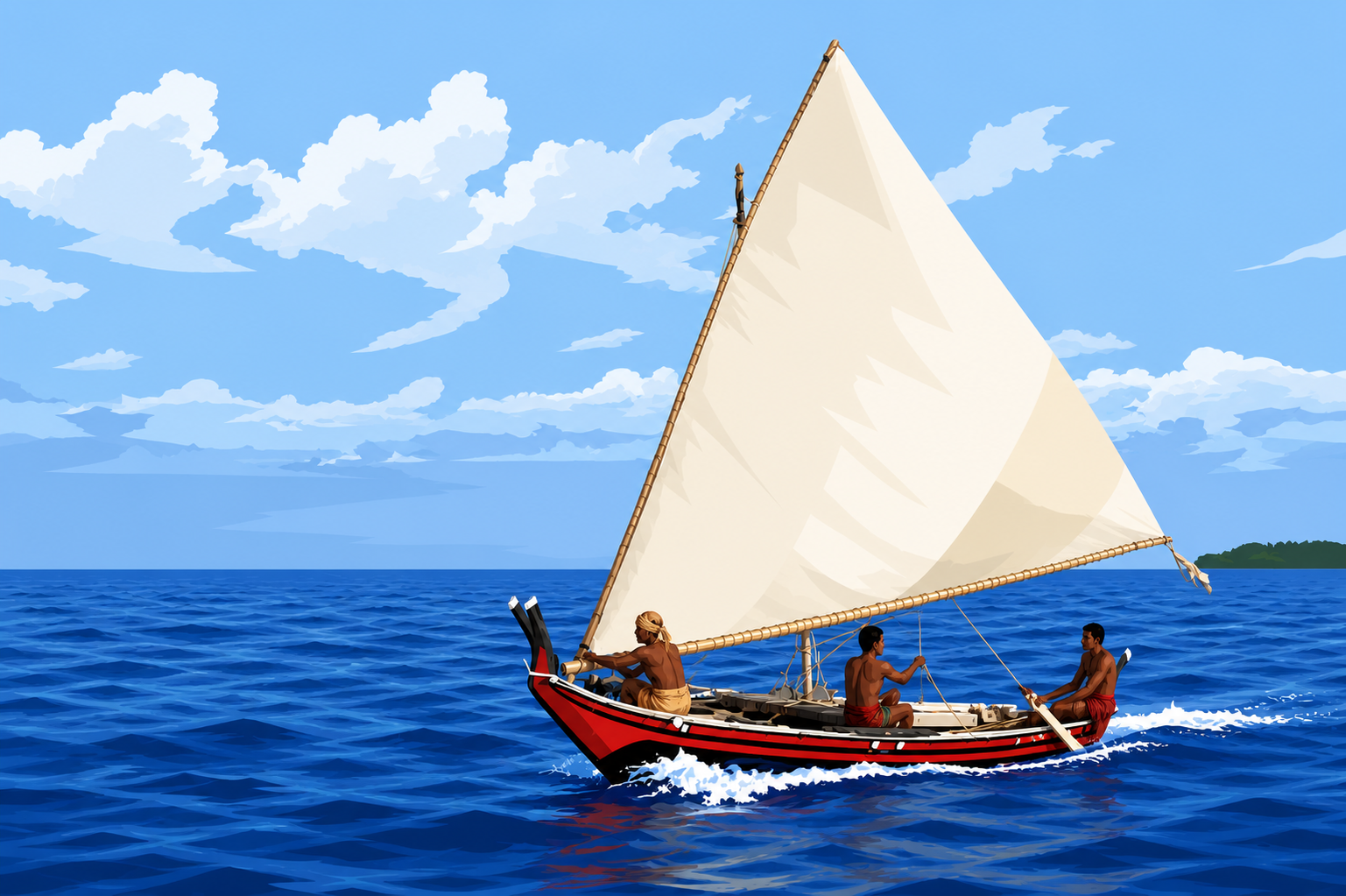
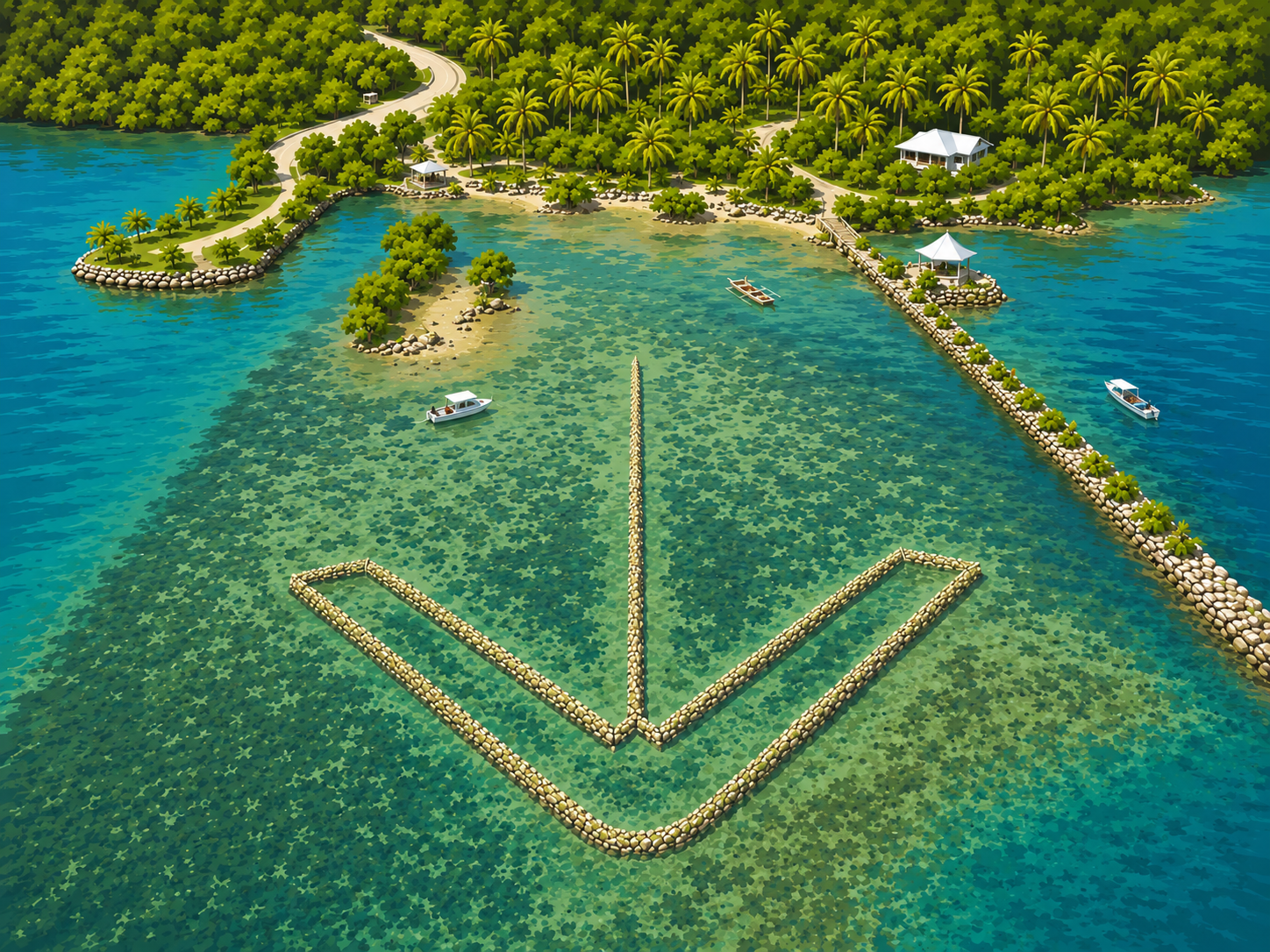 Mu'uw
canoe
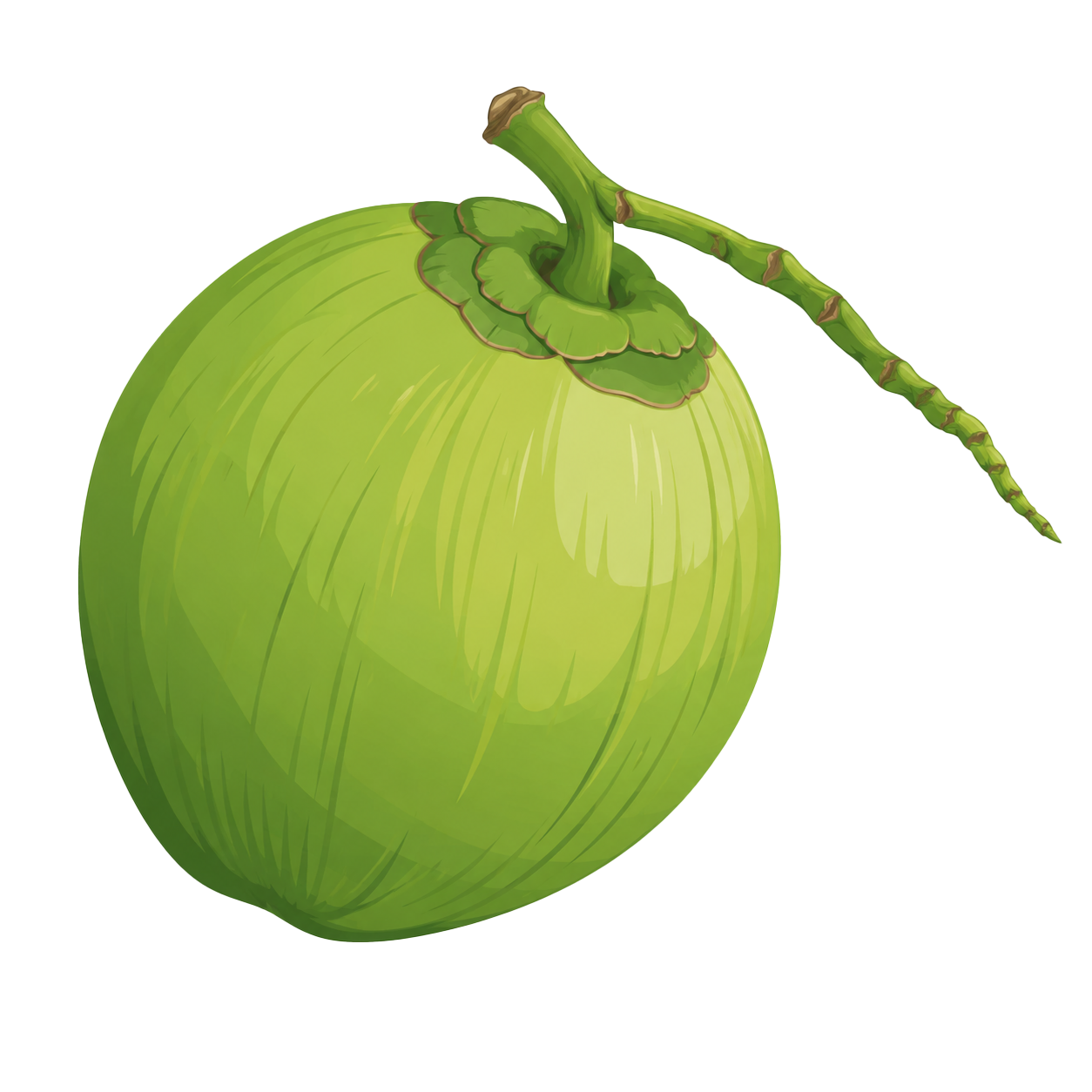
Uchub
coconut
Mu'uw
canoe
Uchub
coconut
Vocabulary, spelling, and meaning are checked before they enter the game.
Audio keeps each lesson tied to how the word is actually said.
Short notes connect words to food, family, land, weather, and custom.
Accounts save progress; ads and purchases stay visible, optional, and easy to understand.
Kammagar — thank you
Stonepaths is independent. Donations help cover the careful work behind the game: speaker review, native audio, hand-checked images, hosting, and maintenance.
Choose a gift
Your donation came through. Mogethin! Every word you help fund is a word a Yapese kid can learn tomorrow.
Free to download. Free to play. Pick it up when you have a minute.